
Shwe Pyoe Eaik and GreenPoly Myanmar Are Building a Practical Circular Economy
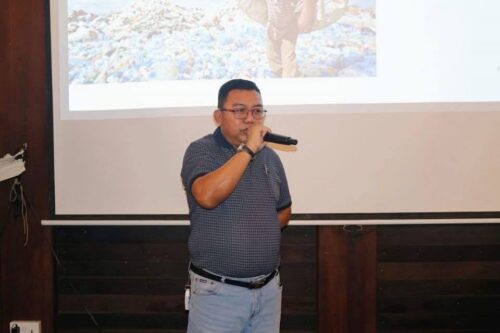
“Seeing these materials accumulating in huge waste piles was difficult — because we knew that much of this plastic still had potential value.”
— U San Oo, Founder and CEO
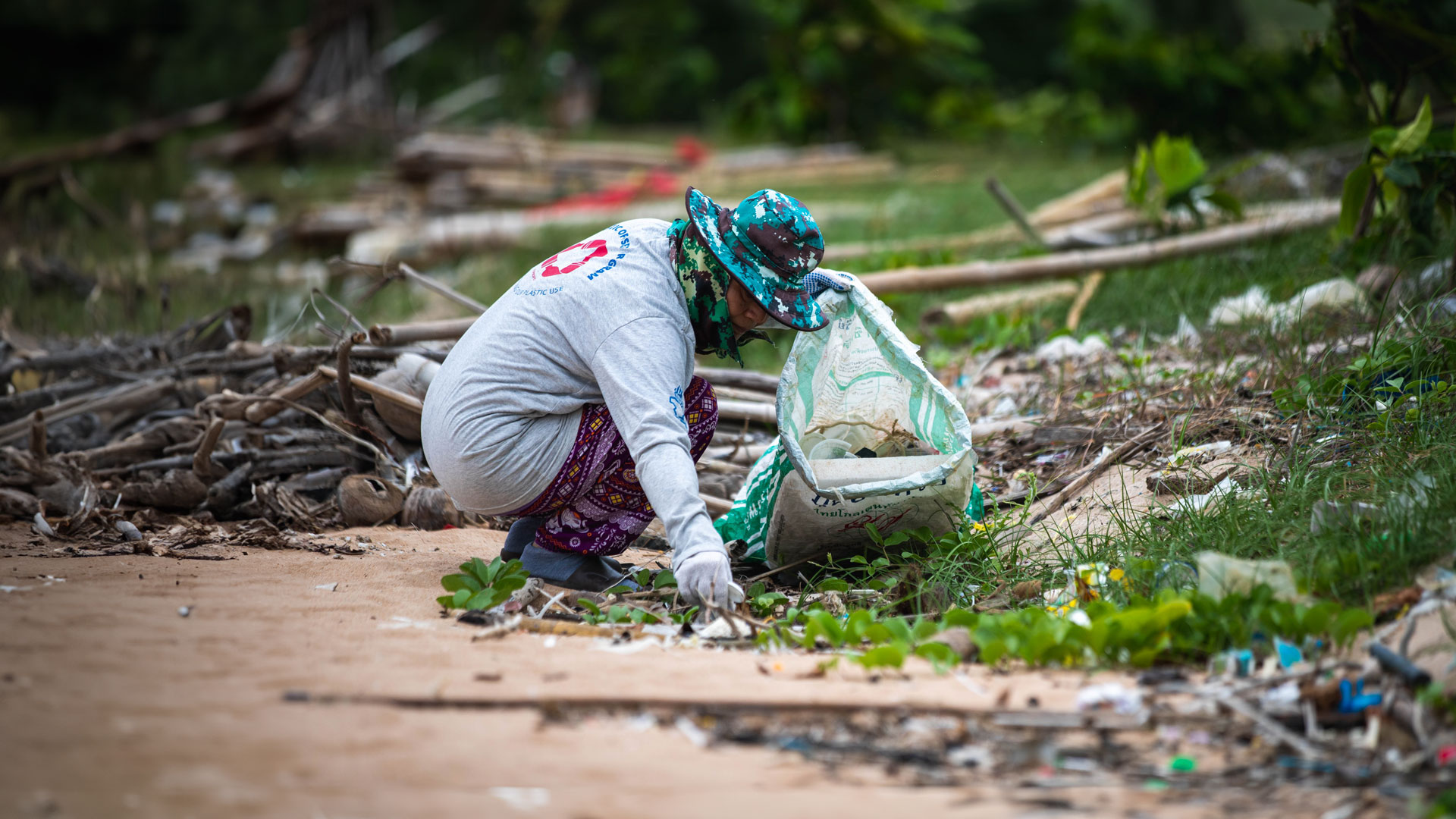
Walk the edges of a landfill in Mandalay, Myanmar, and you will find large quantities of plastic waste that is often considered difficult to recycle: snack packaging, thin shopping bags, and other flexible single-use materials.
Where others saw waste with limited value, U San Oo saw an opportunity.
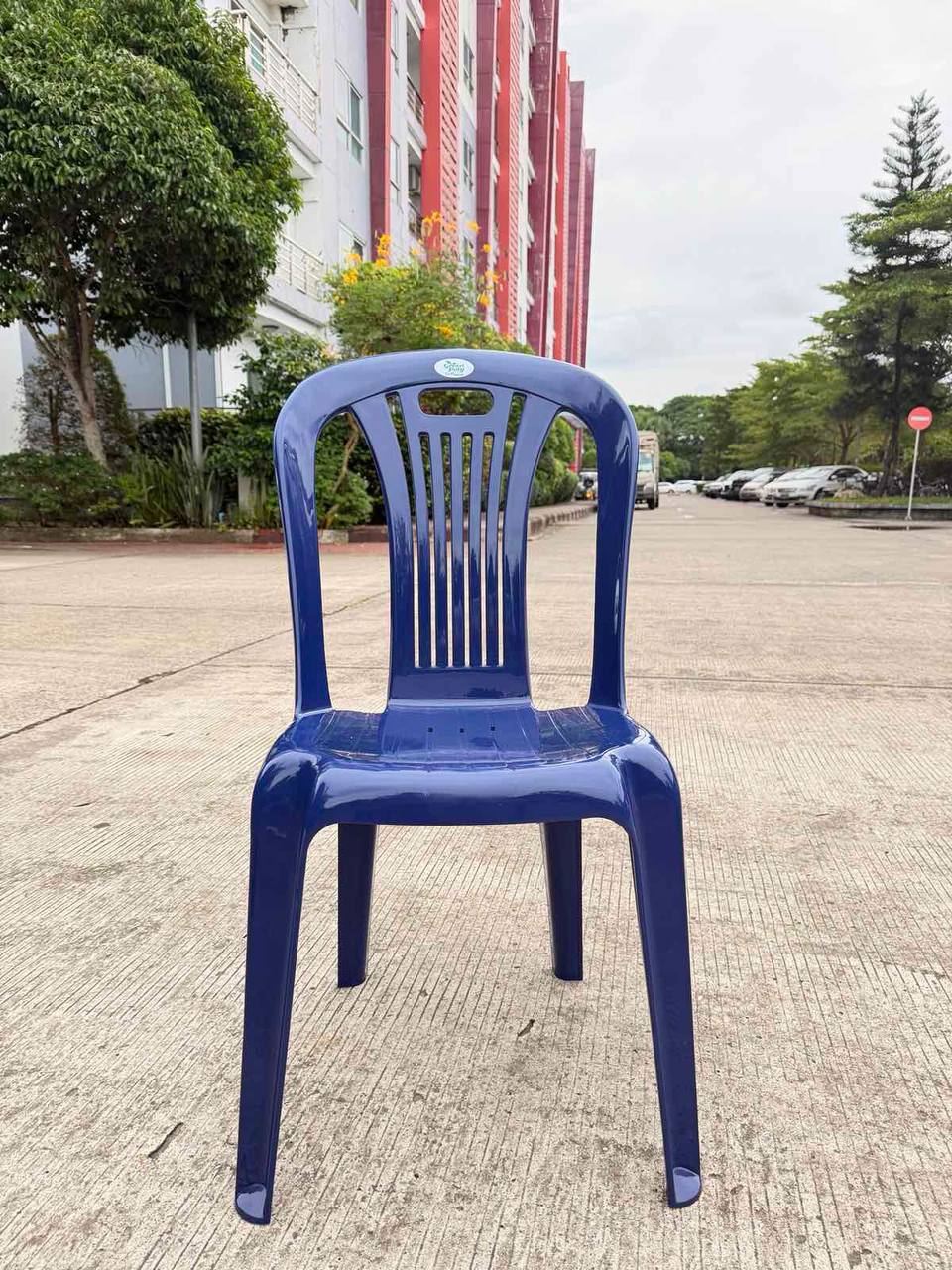
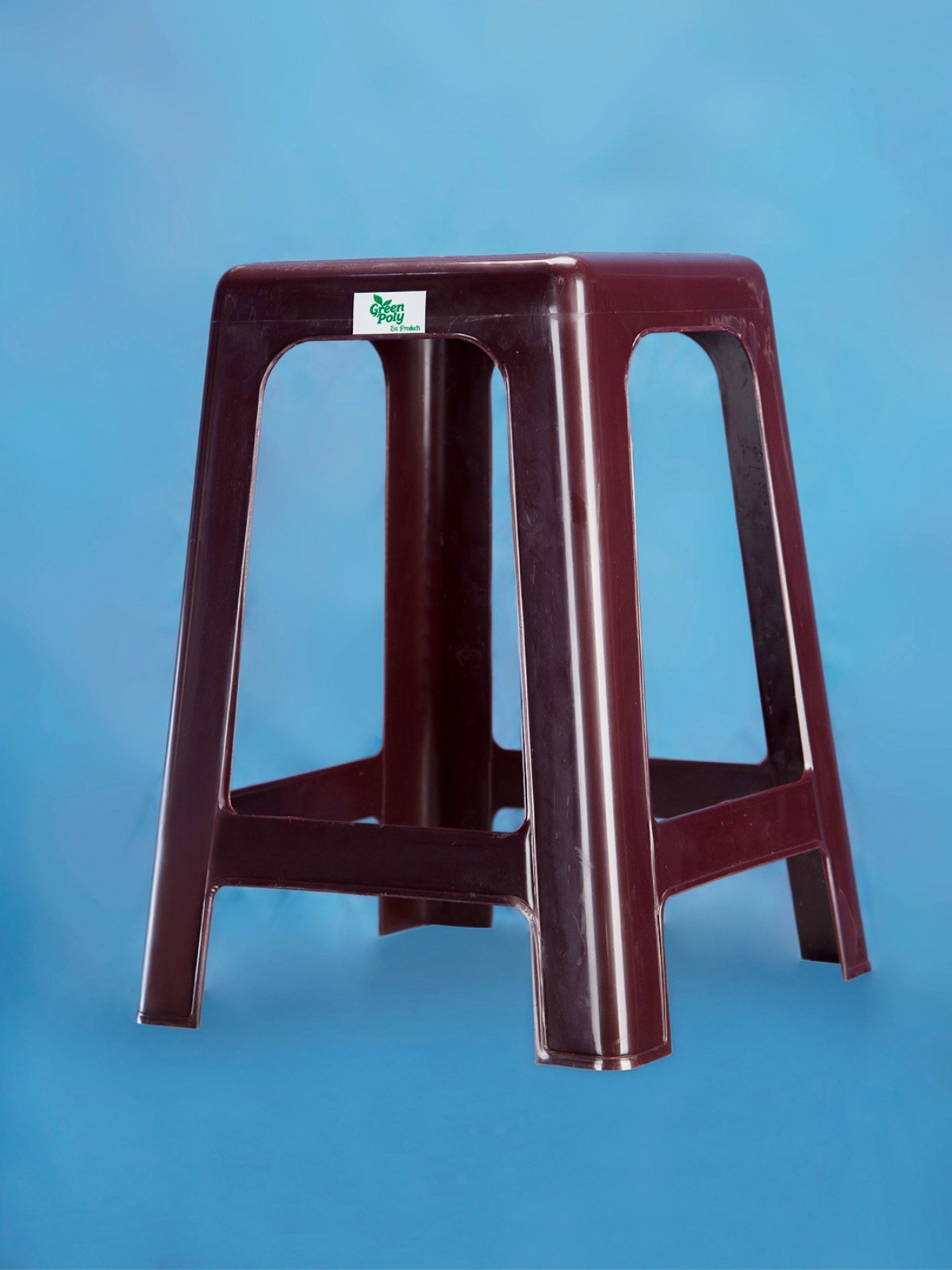
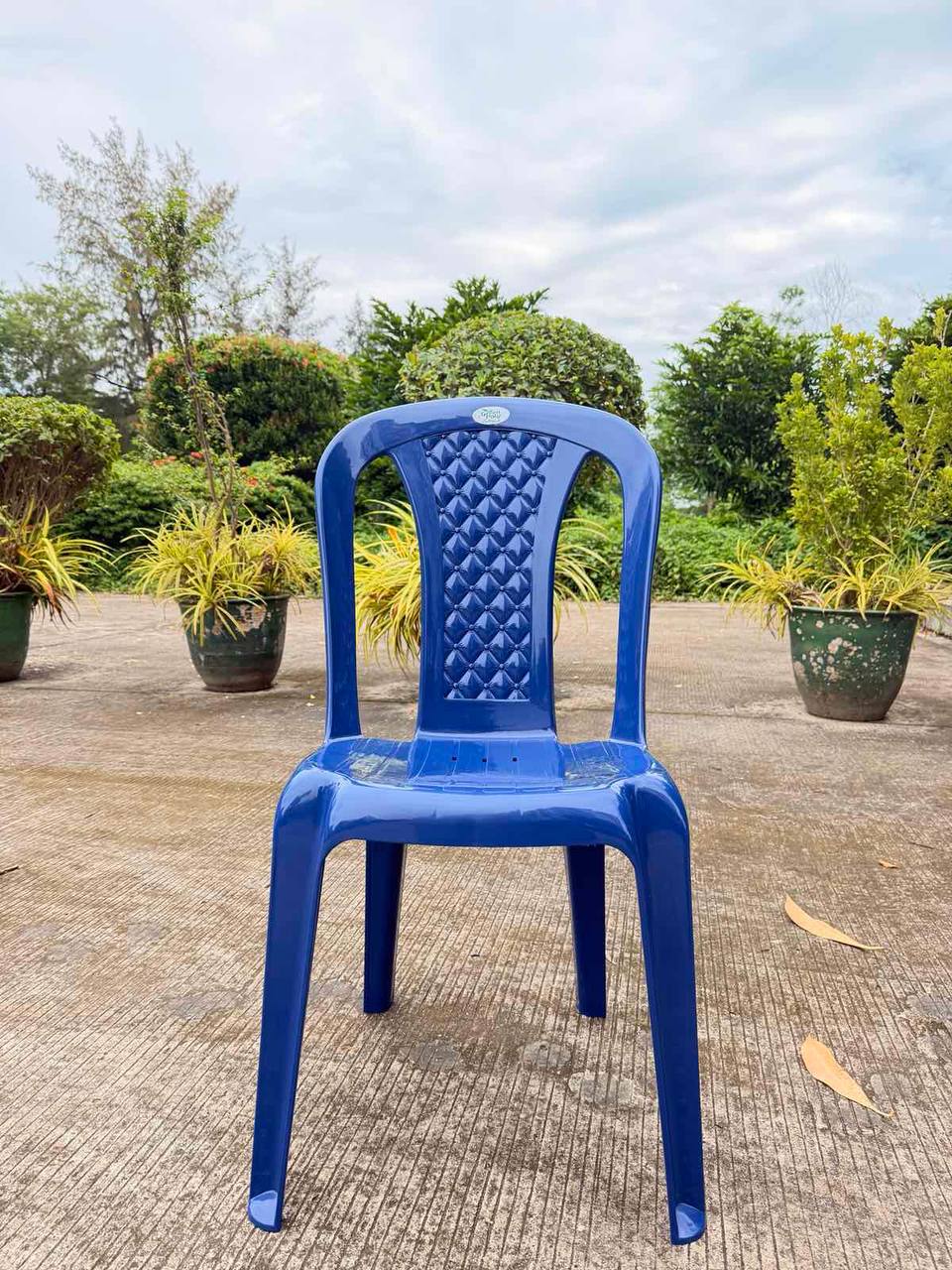
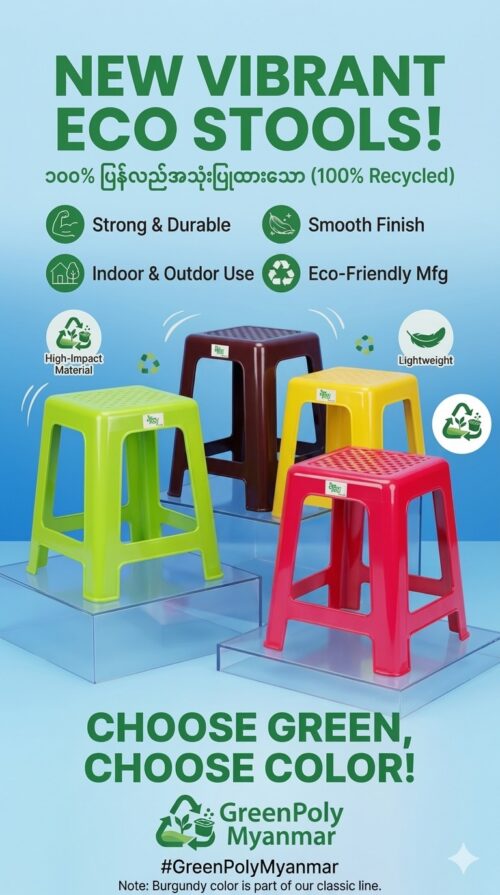
Today, Shwe Pyoe Eaik Trading Co., Ltd. and GreenPoly Myanmar Co., Ltd. are working together to recover suitable post-consumer and post-industrial plastic waste and transform it into durable products such as Eco Chairs and Eco Stools.
The journey began with a nursery-bag business and a study visit to India that introduced U San Oo to different approaches to plastic waste management. Two years later, that experience has developed into a practical recycling business in Myanmar.
As part of Starboard’s Plastic Offset Program (POP) in Myanmar, suitable plastic waste collected through cleanup activities is directed to recycling partners where it can be recovered and processed into new products. This shows how difficult-to-recycle plastic can re-enter the value chain.
We spoke with U San Oo about his journey into recycling, the challenges of recovering difficult plastic materials, and his vision for building a more circular economy in Myanmar.
Why Focus on Difficult-to-Recycle Single-Use Plastic?
Q: Many recycling businesses focus on materials such as PET, LDPE, and HDPE. What inspired your companies to focus on difficult-to-recycle single-use plastics?
A: Our background is closely connected to producing nursery bags, which led us to think more deeply about the potential of plastic materials that are commonly discarded after a short period of use.
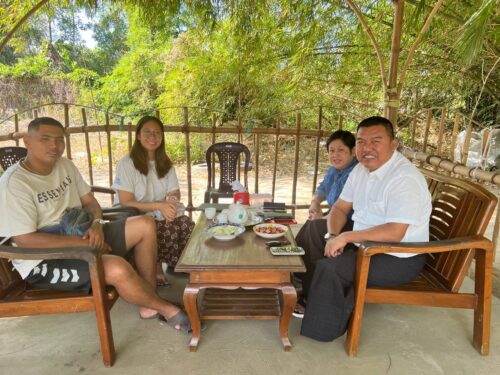
The idea developed further through a study visit to India organized by Prevent Plastics and Building Markets, which selected entrepreneurs from Myanmar’s recycling sector to learn from recycling initiatives there.
During the visit, we saw how India was addressing single-use plastics through bans, awareness campaigns, and coordinated efforts involving schools, government organizations, committees, and recycling businesses.
What impressed us most was the amount of time, resources, and collaboration being invested to address the issue at different levels of society.
After returning to Myanmar, we wanted to develop an approach that could be applied locally.
Today, GreenPoly Myanmar produces Eco Chairs and Eco Stools using recovered plastic feedstock, without virgin resin, excluding necessary additives and colour masterbatch where applicable.
We are proud that this initiative has developed into a functioning business within just two years.
From Cleanup Waste and Landfills to New Products
Q: Plastic waste collected through Starboard’s Plastic Offset Program cleanup activities is sent to your recycling operation. We also understand that you source plastic waste from landfill sites. Why did you decide to focus on recovering these materials?
A: In India, we observed waste-management systems where wet waste, dry waste, and hazardous waste are separated at the source and transported through organized collection systems.
Myanmar does not yet have the same level of waste segregation infrastructure. Therefore, we began working directly with waste collection points and scrap dealers around major landfills in Mandalay, including Kyar Ni Kan and Taung Inn Myo.
At these sites, we found large quantities of difficult-to-recycle single-use plastics, including selected PE- and PP-based flexible packaging, snack packaging, and plastic bags.
Seeing these materials accumulating in huge waste piles was difficult because we knew that much of this plastic still had potential value.
We therefore began purchasing suitable materials at a fair price and demonstrating that they could be transformed into useful products.
At the same time, we worked with waste workers collecting materials at landfill sites. By encouraging them to collect these types of plastics as well, we could create an additional source of income for them while increasing the amount of plastic recovered from the waste stream.
We are also pleased to receive suitable plastic waste collected through Starboard’s cleanup activities. Instead of this material being sent directly to disposal, it can be recovered and processed through our recycling operation, contributing to a more circular approach to plastic waste management.
How Much Plastic Is Being Recycled?
Approximately five 12-wheel truckloads of plastic waste are transported from Mandalay to Yangon each month, representing around 17.5 tonnes (17,500 kilograms) of plastic.
What Are the Biggest Challenges in Recycling?
Q: What are the main challenges you face in recycling? Is it waste sorting, electricity, workforce management, or something else?
A: We believe the first and most fundamental challenge is changing people’s existing perceptions and habits around waste.
When someone throws away a piece of plastic without considering whether it still has value. That individual action eventually contributes to the creation of huge waste piles.
For the sector to grow, we need more than financial investment. We also need stronger awareness and education about which types of plastic can be recovered and reused and how different materials should be handled.
We also need more entrepreneurs and businesses to become interested in this sector.
Even if we successfully raise awareness nationwide and large amounts of plastic begin entering the recycling system, one factory alone cannot process everything. There are significant challenges related to production capacity, electricity, infrastructure, and investment.
Despite these challenges, we are proud to continue developing this business as a practical example of a circular economy in Myanmar.
Building Recycling Awareness for the Next Generation
Q: Where are you currently focusing your awareness activities? Are you working mainly with schools or communities? And do you have plans to expand these activities?
A: We find working directly with schools and educating students particularly exciting and meaningful.
We also use social media, especially TikTok, to create regular videos and vlogs. That raises awareness about single-use plastics and responsible waste management.
Establishing Shwe Pyoe Eaik and GreenPoly Myanmar was never only about financial profit. Our vision is to create a practical example of a circular economy in Myanmar. Where difficult-to-recycle plastic materials can be recovered and transformed into useful products.
We also hope this work can encourage more businesses and entrepreneurs to develop similar models in the future.
We want the next generation to inherit a system that they can understand, continue, and expand — not one where they have to start from zero again.
A product made from recovered plastic can create value beyond simply keeping waste out of a landfill. If the product is used in a school, it can contribute to education. If it is used within a community, it can support practical community activities.
That is the value we want to create: not just taking something away from the waste stream, but transforming waste into something useful and meaningful for society.
The Future of the Circular Economy in Myanmar
Shwe Pyoe Eaik and GreenPoly Myanmar demonstrate how collaboration across the plastic value chain can help recover materials. That might otherwise end up in landfill.
From collection and sorting to recycling and product manufacturing. Their work shows that difficult plastic waste can have another life when the right systems, technology, and markets are available.
Starboard is pleased to collaborate with Shwe Pyoe Eaik by directing suitable plastic waste to be collected. Through our cleanup activities towards recycling and recovery.
We look forward to continuing this collaboration and supporting initiatives. That help turn plastic waste into valuable resources while contributing to a more circular economy in Myanmar.
About Shwe Pyoe Eaik and GreenPoly Myanmar
Shwe Phyo Eaik Co., Ltd. builds and manages the collection network for post-consumer and post-industrial plastic waste, while GreenPoly Myanmar Co., Ltd. transforms suitable recovered materials into durable eco-products such as Eco Chairs and Eco Stools.
Together, their work connects plastic waste collection with recycling and product manufacturing. Helping create practical value from materials that are often considered difficult to recover.


