

Empowering communities through practical skills, household savings, and reuse
Sustainability begins with the everyday choices we make at home. From the products we use to the packaging we throw away, small changes can help reduce waste, make better use of available resources, and create new opportunities for local communities.
Through the Plastic Offset Program (POP) Livelihood Program, Starboard enhances environmental awareness with practical skills people can apply in daily life. By introducing sustainable product-making and encouraging reuse, the program aims to help community members build useful skills, reduce avoidable household expenses, and explore opportunities to generate additional income.
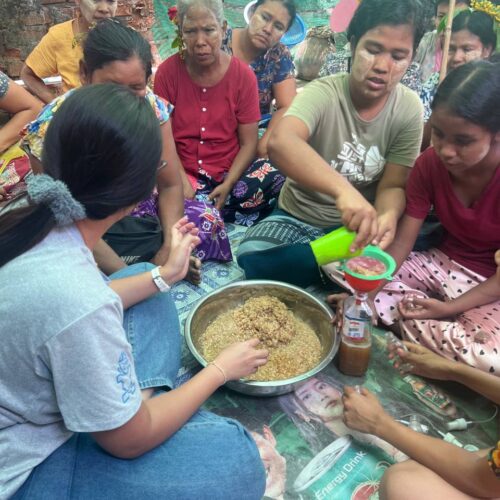
Turning Environmental Awareness into Practical Skills
For many households, everyday products are recurring expenses. At the same time, many of these products come in single-use plastic packaging that can become waste after use.
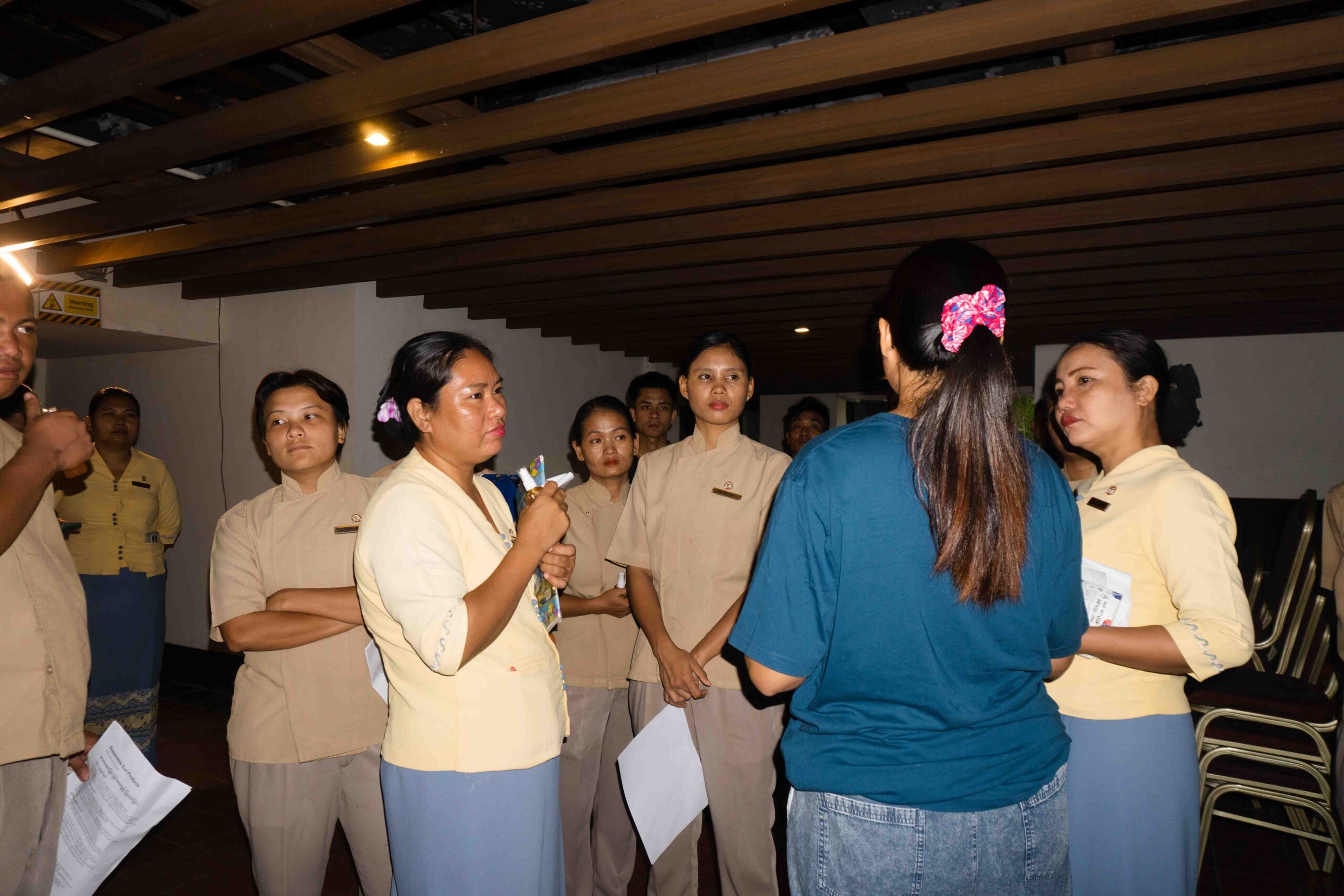
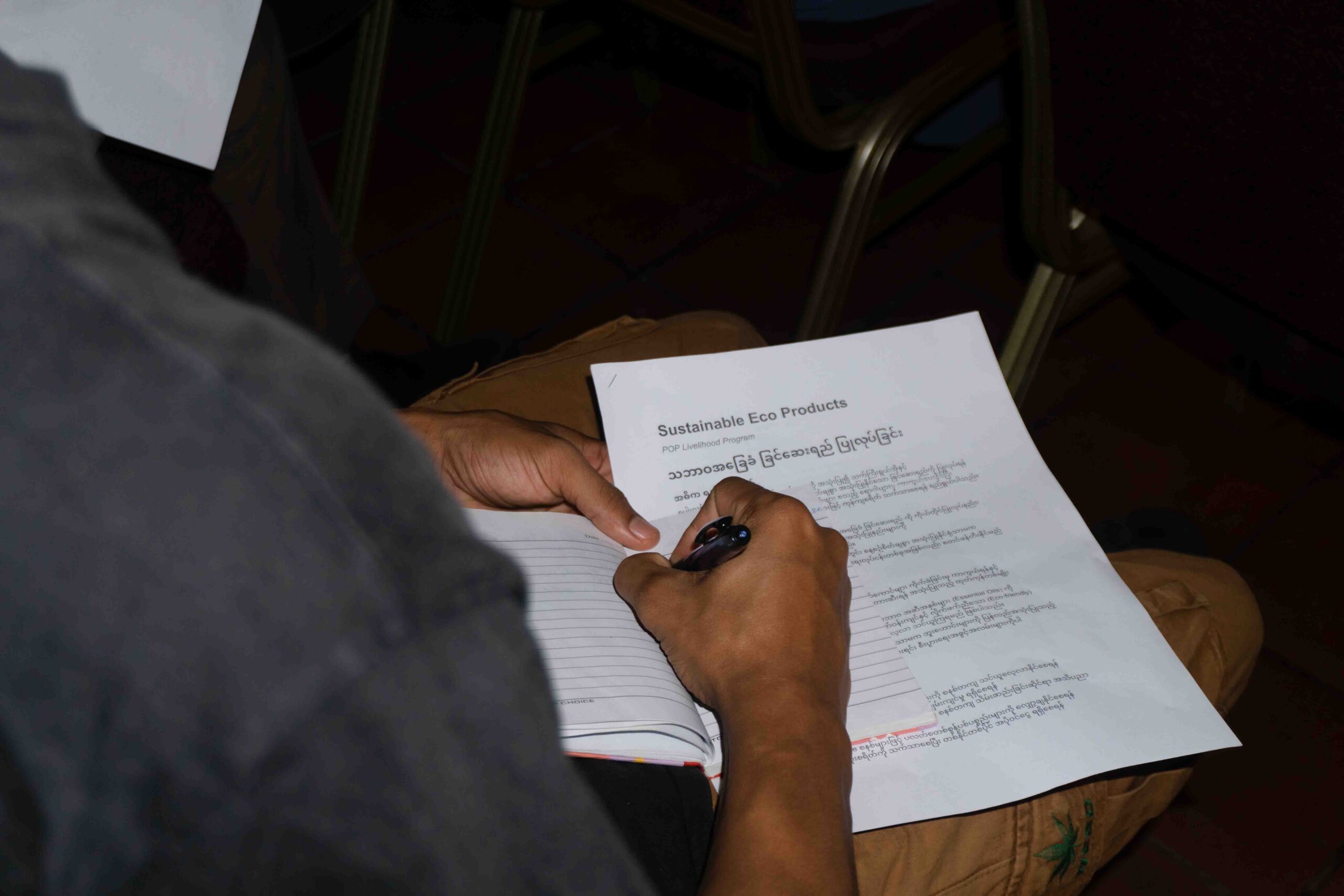
The POP Livelihood Program responds to these challenges by introducing practical, hands-on activities that help participants explore ways to make useful household products themselves. The focus is on accessible skills, locally available materials where suitable, and techniques that participants can continue practising beyond the training sessions.
One example is the preparation of lemongrass-based mosquito repellent, which introduces participants to ingredient preparation, product mixing, packaging, labelling, and storage. Through activities like this, participants can develop practical knowledge that may help them make selected household products for their own use or explore small-scale business opportunities.
The goal is not simply to teach participants how to make a product. It is to help them understand how practical skills can support more resource-conscious lifestyles and open up new possibilities for their households.
Supporting Household Budgets and Small-Income Opportunities
Learning to make selected products at home may help households reduce the need to purchase certain ready-made products, depending on ingredient costs, availability, and how often they use them.
For example, through the POP Livelihood Program, participants learned to prepare a 100 ml bottle of lemongrass-based mosquito repellent at an estimated production cost that was approximately 33% lower than a comparable store-bought product.
This comparison highlights how practical product-making skills can help households explore more affordable alternatives while making better use of available resources. Actual savings may vary depending on ingredient costs, packaging, and local market prices.
Beyond household savings, these practical skills may also provide a starting point for small-scale income-generating activities, allowing participants to explore producing products for local customers or offering refill services within their communities.
By learning to prepare useful products with appropriate materials and equipment, participants can explore practical alternatives while gaining greater confidence in managing household resources.
In this way, the POP Livelihood Program aims to connect environmental action with economic resilience, helping communities discover how sustainable practices can create value in everyday life.
Making Reuse and Refill Part of Everyday Life
Sustainable products are only part of the solution. The way products are packaged, stored, and used again also matters.
A key element of the POP Livelihood Program is promoting Refill & Reuse. Instead of automatically discarding an empty container and purchasing a new one, participants are encouraged to consider whether suitable containers can be safely cleaned and reused or refilled.
For products that are compatible with reuse systems, this approach can help reduce demand for new packaging, limit avoidable plastic waste, and make better use of existing resources.
For example, suitable reusable bottles can support refill practices for compatible household products. When containers are reused appropriately, households and small producers may also reduce some packaging-related expenses.
Safe reuse remains essential. Containers must be suitable for the product, properly cleaned, and maintained in good condition. Product labels and storage instructions should also be followed to help protect users.
By incorporating these practices into livelihood training, the program encourages participants to think beyond making and using a product. It invites them to consider the entire product lifecycle, from ingredients and packaging to reuse and waste prevention.
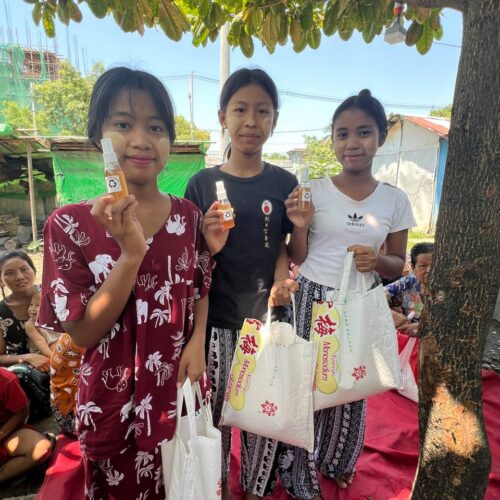
Creating Benefits Beyond the Training Session
The value of livelihood training extends beyond the time participants spend learning a new skill. When practical knowledge is applied at home or shared with others, its benefits may reach other family members and the wider community.
Participants can bring new ideas into their households, encourage more thoughtful purchasing habits, and demonstrate how reusable containers and responsible product choices can become part of everyday routines.
Over time, these small actions can help build greater awareness of waste reduction while creating opportunities for community members to adapt sustainable practices to their own needs.
The program also recognises that livelihood support should be practical and accessible. Skills are most useful when participants can understand the process, identify appropriate materials, and apply what they have learned using resources available to them.
Building a More Sustainable Future Together
At Starboard, environmental sustainability and community empowerment are closely connected. Reducing waste is important, but supporting people with practical skills and opportunities to strengthen their livelihoods is equally valuable.
Through the POP Livelihood Program, Starboard aims to help communities explore a more resource-conscious way of living: making selected products themselves, reducing avoidable household costs, discovering potential small-income opportunities, and extending the useful life of packaging through reuse and refill.
Every reusable container, every shared skill, and every product made with care offers an opportunity to rethink how we use resources.
Sustainability is not only about reducing waste. It is also about empowering people with the knowledge and skills to create positive change in their own homes and communities.
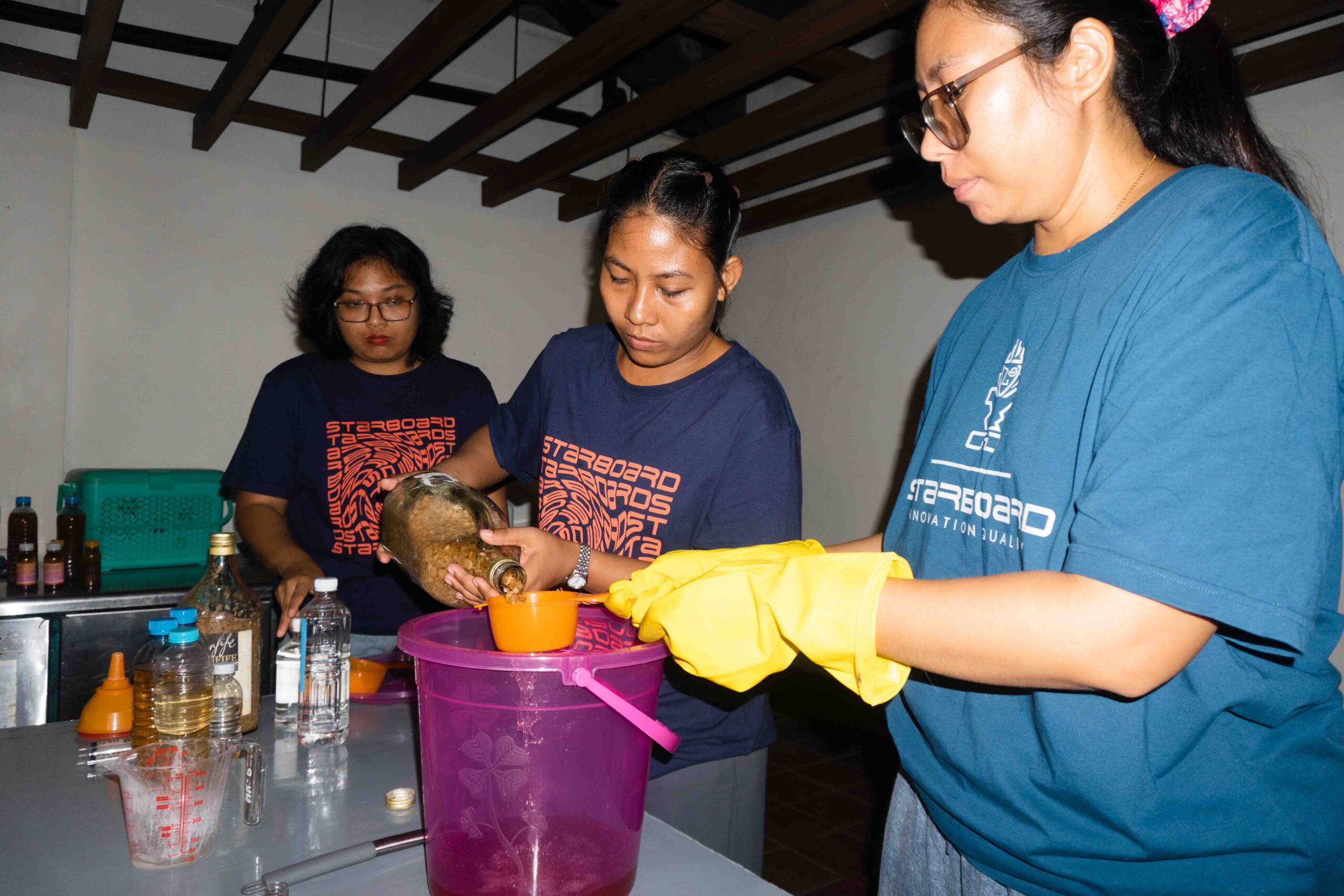
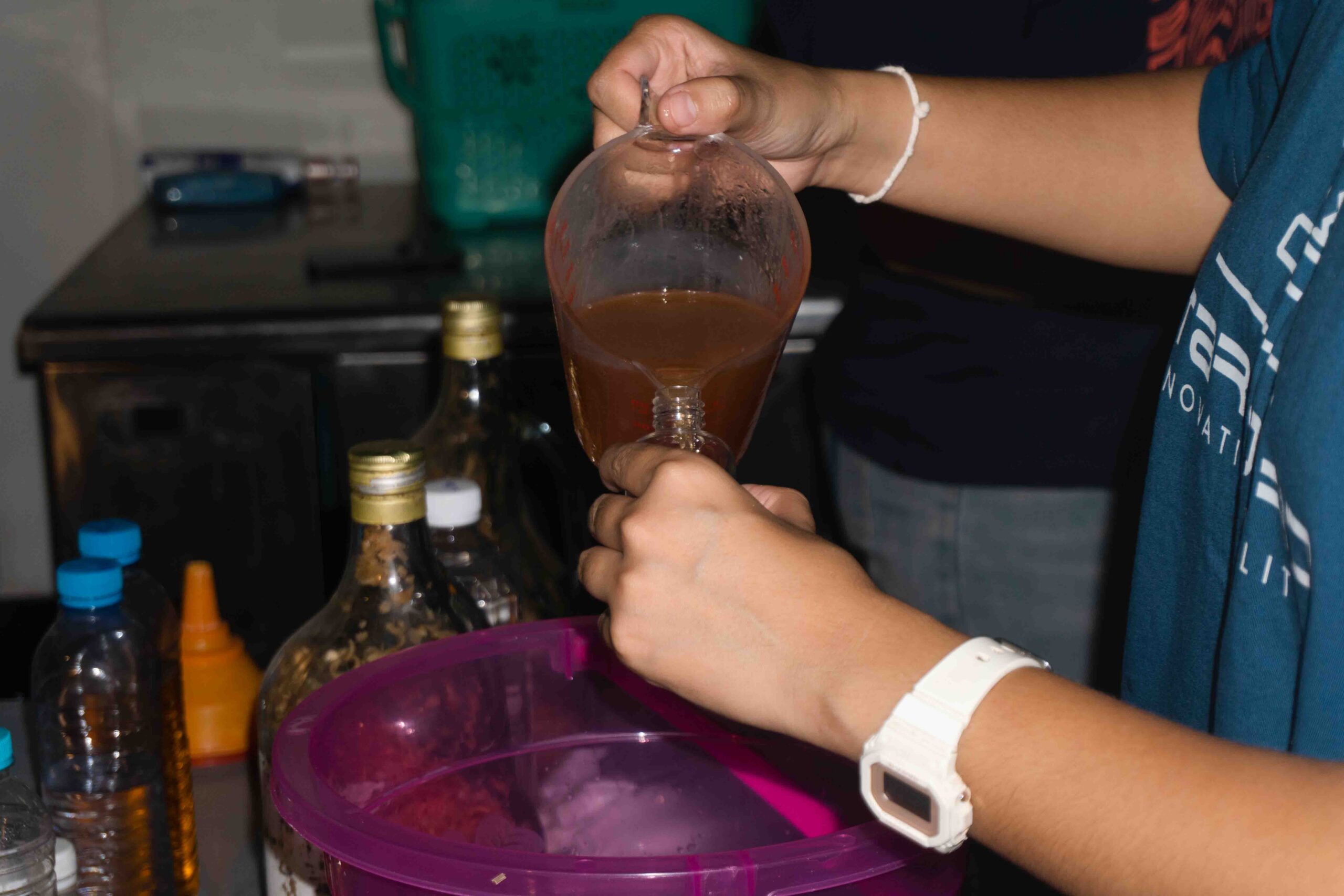
Frequently Asked Questions (FAQ)
- What is the POP Livelihood Program?
The POP Livelihood Program is a community-focused initiative by Starboard that combines practical livelihood training with environmental sustainability. Since July 2023, the program has supported 479 community members through practical skills development and sustainable livelihood initiatives.
- Where and when does the POP Livelihood Program take place?
The program has supported communities in different locations across Myanmar, including Thanlyin and Ngwe Saung. In 2026, livelihood activities were conducted in Thanlyin during April and continued through September, while Ngwe Saung hosted livelihood training activities from August to September.
- How many people have benefited from the program?
Since its launch in July 2023, the POP Livelihood Program has supported 479 community members.
During Q3 2026, the Thanlyin chapter reported three livelihood training sessions involving 76 participants. An additional 26 participants attended the September livelihood training in Ngwe Saung.
- What products do participants learn to make?
Training activities have included:
- Plant-based lemongrass mosquito repellent.
- Multipurpose liquid soap.
- Laundry soap and other sustainable household products.
- Other practical eco-friendly products introduced through previous livelihood activities.
- How can making products at home help households?
Learning to prepare selected household products may help participants reduce recurring purchasing expenses, depending on ingredient costs and product requirements. It also provides practical skills that can be applied within their own households.
- Can participants earn additional income from these skills?
Yes. The skills may provide a starting point for small-scale income opportunities. Participants can explore making products for local customers or offering refill services. Depending on production costs, product quality, and local market demand.
- How does the program help reduce plastic waste?
The program promotes Refill & Reuse by encouraging participants to reuse suitable containers rather than continuously purchasing new packaging. During training, participants learn how existing bottles can be incorporated into refill practices. Helping reduce unnecessary plastic packaging consumption.
Learn More About the POP Livelihood Program
Discover more about Starboard’s Plastic Offset Program, community activities, and our ongoing commitment to supporting people and the environment.


